I feel we are in the eye of the storm, between the consumption of a dodgy taco and the porcelain-pounding epic fury…

The clock is ticking, as no amount of financial engineering will paper over the blockage of approximately 20% of global oil and LNG trade.
I’ve seen a number of posts claiming that the SPR release means problem solved.
Tracy (Chi) put it best: A Stock Is Not a Flow: The G-7 SPR Bluff: Why 300 to 400 Million Barrels Changes Nothing.
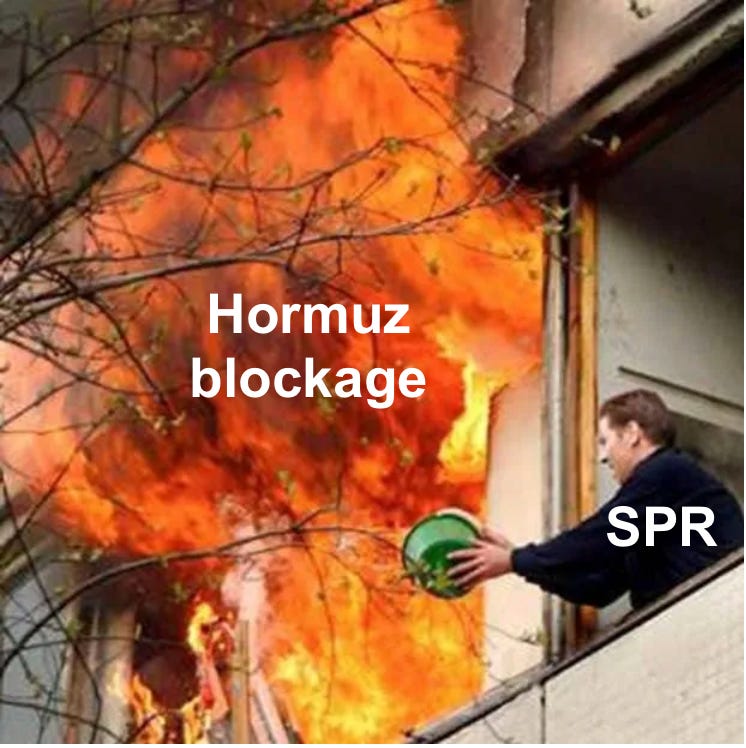
Releasing strategic reserves into a physical blockage is like using a garden hose on a house fire. The tool exists. It just does not match the scale of the problem.
The LNG situation seems more acute for a few reasons.
One being there is already a lot of oil at sea.
Total oil water in November was 1.82 billion barrels, of which crude in transit accounted for 61%, crude in storage 5%, products in transit 32% and products in storage 2%, data from S&P Global Commodities at Sea showed.
The removal of Russian sanctions for a month (what a joke…)
On March 6, 2026, the US Treasury’s Office of Foreign Assets Control (OFAC) issued a temporary 30-day license authorising the delivery and sale of Russian crude oil and petroleum products that were already loaded on vessels as of March 5, to Indian buyers only. The license expires on April 3, 2026.
Saudi Arabia and the UAE maintain pipeline bypasses capable of moving 3.5–5.5 million barrels per day around the Strait.
Qatari LNG has no such option; it’s trapped.
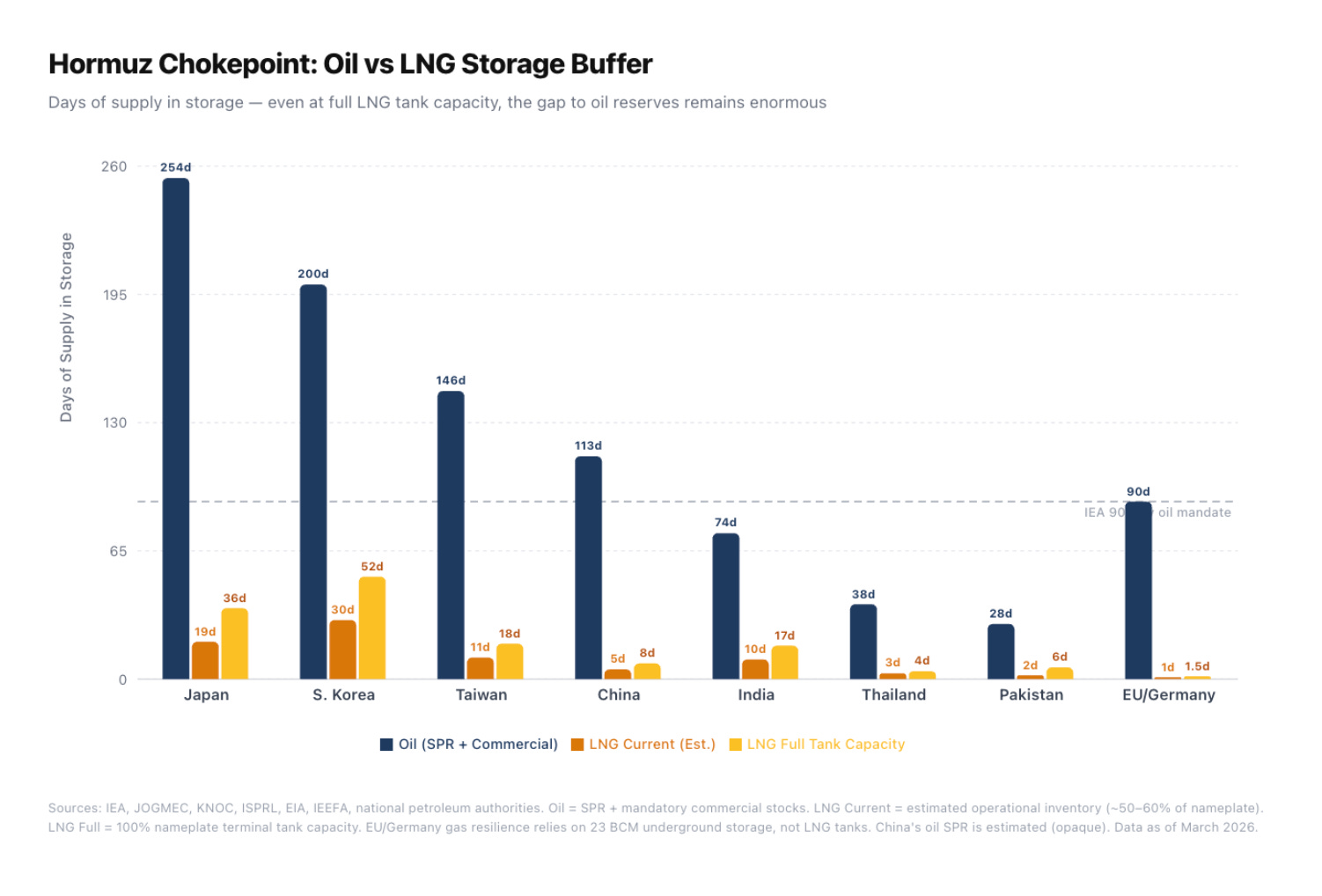
Lastly, there is substantially more oil in storage than LNG, with only South Korea and Japan having substantial LNG buffers.
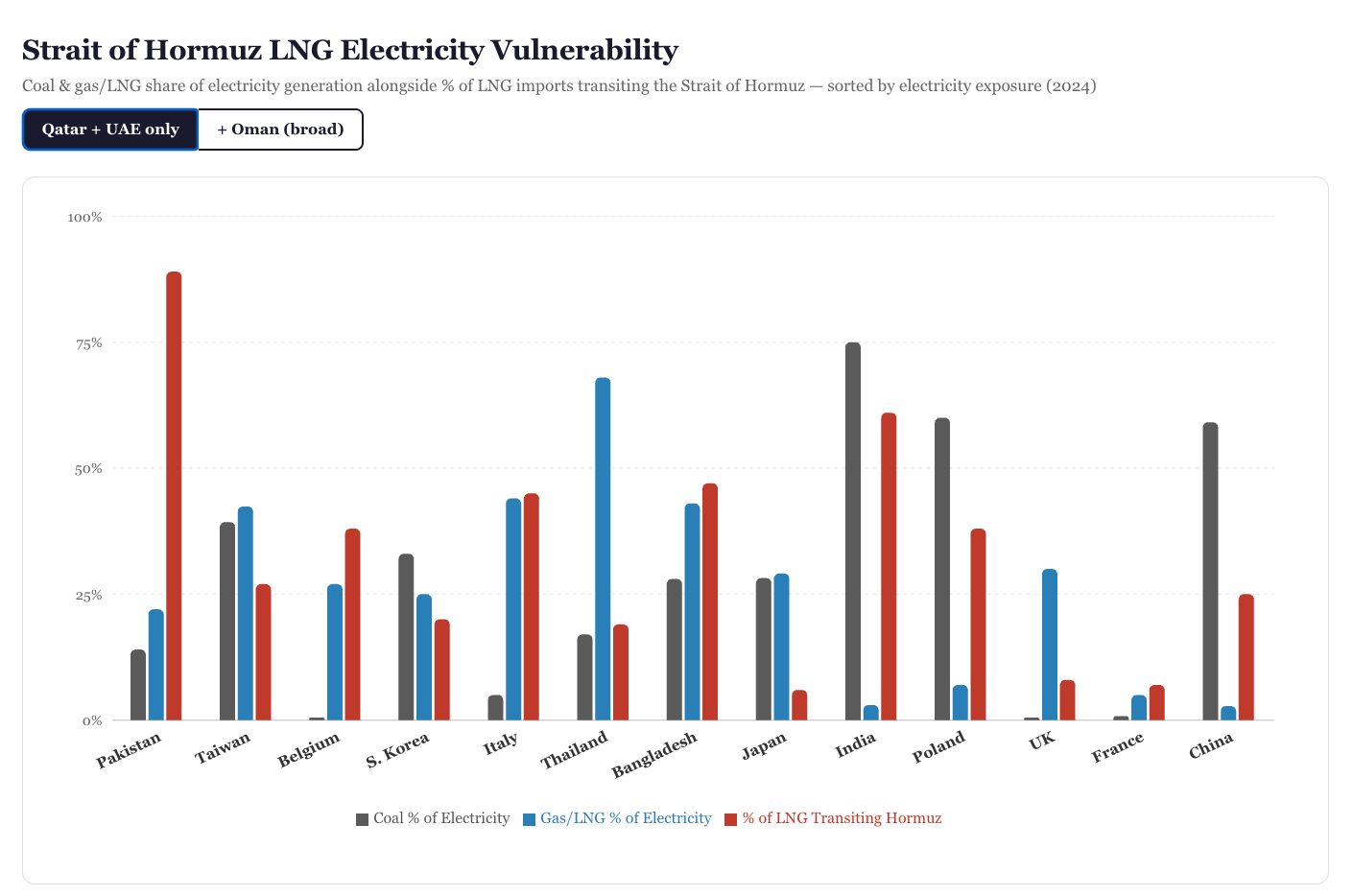
Given the storage situation and the vulnerability of Hormuz-dependent LNG, I continue to believe thermal coal will be a massive beneficiary if this drags on. Coal utilisation will be maximised to compensate for the LNG shortfall.
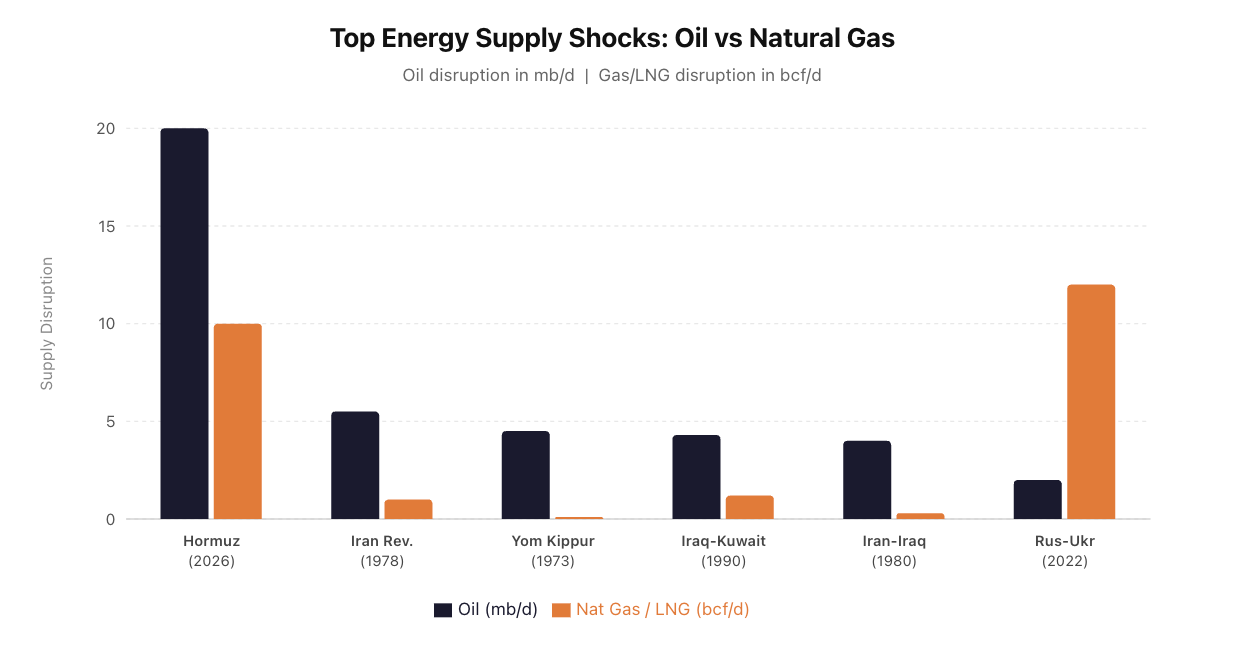
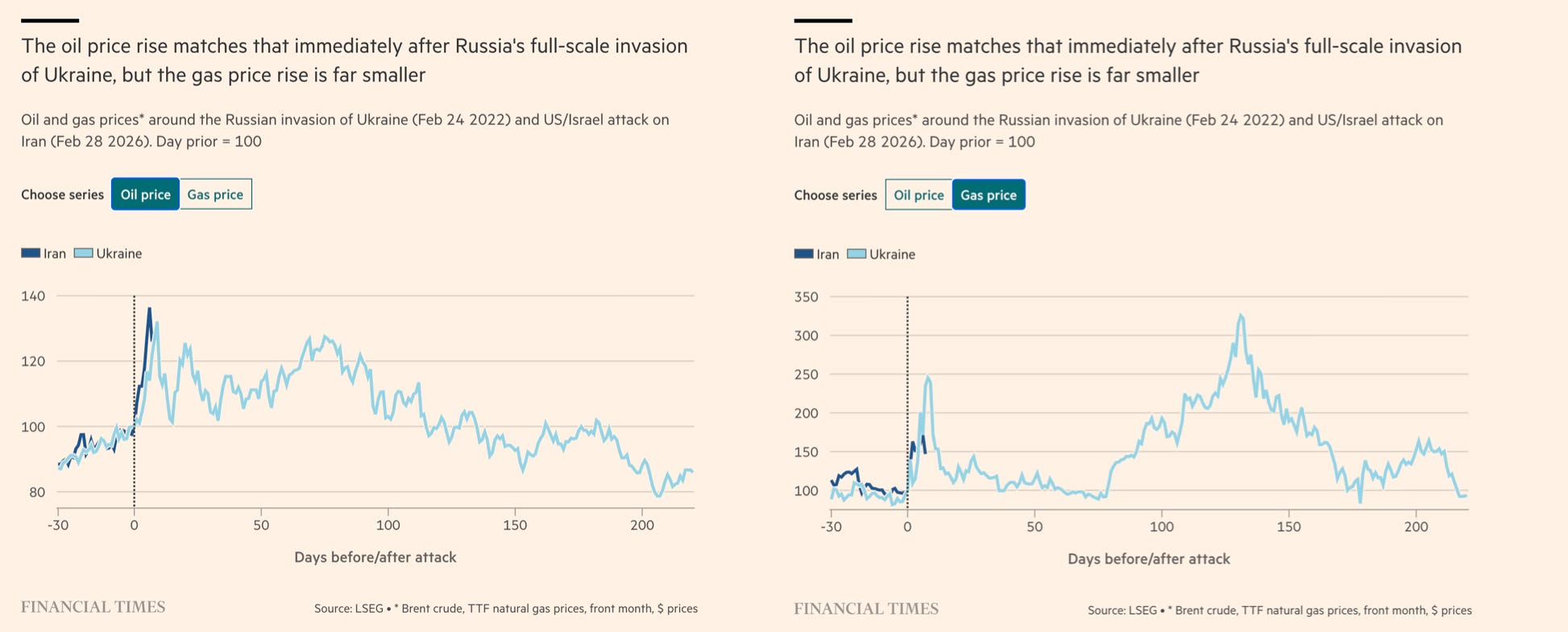
These charts in the FT caught my eye, as yes, the current gas move has been smaller, but what’s coming down the pipeline will be far bigger if the blockage is not resolved immediately.
The latest tanker tracker has counted 14 AIS-visible vessels and 8 dark vessels, picked up by satellites, that transited the Strait of Hormuz in the 48 hours, against a prior average of 140 vessels a day.
Judging by the latest stream of tanker explosions, things are taking a turn for the worse.


LNGs Concentrated Risk
It’s wild that 20% of global LNG export capacity is concentrated in a single location. Every operating LNG train in Qatar sits within Ras Laffan Industrial City.
Ras Laffan went offline on the 2nd March, so it’s been offline for 10 days now. Restarting even a single AP-X mega-train from an extended shutdown requires a minimum of 3–7 days under ideal conditions, and the sequential restart of all 14 trains at Ras Laffan would realistically take 4–8 weeks to reach full throughput, assuming no physical damage. If critical cryogenic equipment is damaged, historical precedents indicate timelines of 6–20 months and, in catastrophic scenarios, a decade.
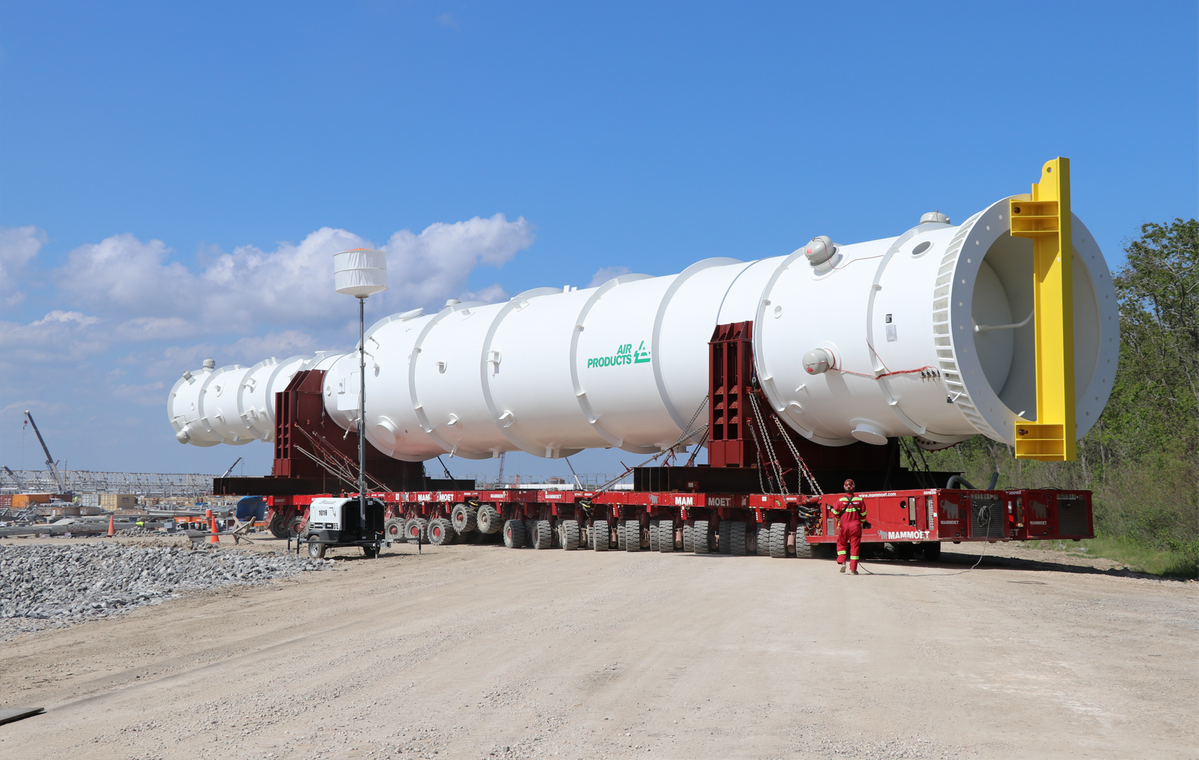
Each AP-X is custom-built over ~24 months, weighs up to 500 tonnes, stands 55 meters tall, and can only be manufactured at one facility on Earth. Honeywell (formerly Air Products) holds an absolute monopoly on AP-X technology and equipment.
Fabrication takes approximately 24 months, with the total order-to-delivery lead time being 36–48 months when engineering, design, testing, and ocean shipping are included.
The Iranians already managed to strike Ras Laffan with drones (which is why it declared force majeure and went offline).
Now, with the successful targeting of Gulf radar systems, the risks continue to escalate: Iran Hits Key US Radar, Deepening Gulf Missile Defense Woes.
Earlier in the war, an AN/FPS-132 radar in Qatar: a fixed installation unlike the mobile THAAD system was damaged during an Iranian attack, according to research from the James Martin Center for Nonproliferation Studies in Monterey, California.
The loss of a THAAD radar system is a huge blow, as it was one of only eight globally, and I won’t hold my breath for how quickly they can be repaired, given China’s gallium restrictions ( gallium is essential for modern high‑performance radar systems, especially AESA and advanced military radars).
Iran has destroyed a key $300 million radar system used by US THAAD missile defence systems at Muwaffaq Salti Air Base in Jordan.
The US has eight THAAD systems globally, including in South Korea and Guam. The batteries cost about $1 billion each, with the radar comprising about $300 million of that.
“These are scarce strategic resources and their loss is a huge blow,” said Tom Karako, a missile defence expert with the Centre for Strategic and International Studies.
While I’ve read that Iranian precision ballistic missiles have been taken out, and that’s why they are relying heavily on cheap drones and cruise missiles.
The counterargument is that this is an exhaustion doctrine, and when US/Gulf defences have been sufficiently weakened, the Iranians will step it up with precision ballistic missiles.
I mean, it’s a logical strategy after last year’s 12-day war: US used about a quarter of its high-end missile interceptors in Israel-Iran war, exposing a supply gap 31/07/2025
I have no idea which is true, but we’ll find out in the next week or two!
Europe
While Europe isn’t as directly exposed to LNG transiting the Hormuz Strait (bar Italy, which is really in the shit). It’s not going to make much difference. With the supply disruption so big, there is going to be a knife fight for the marginal energy molecule.
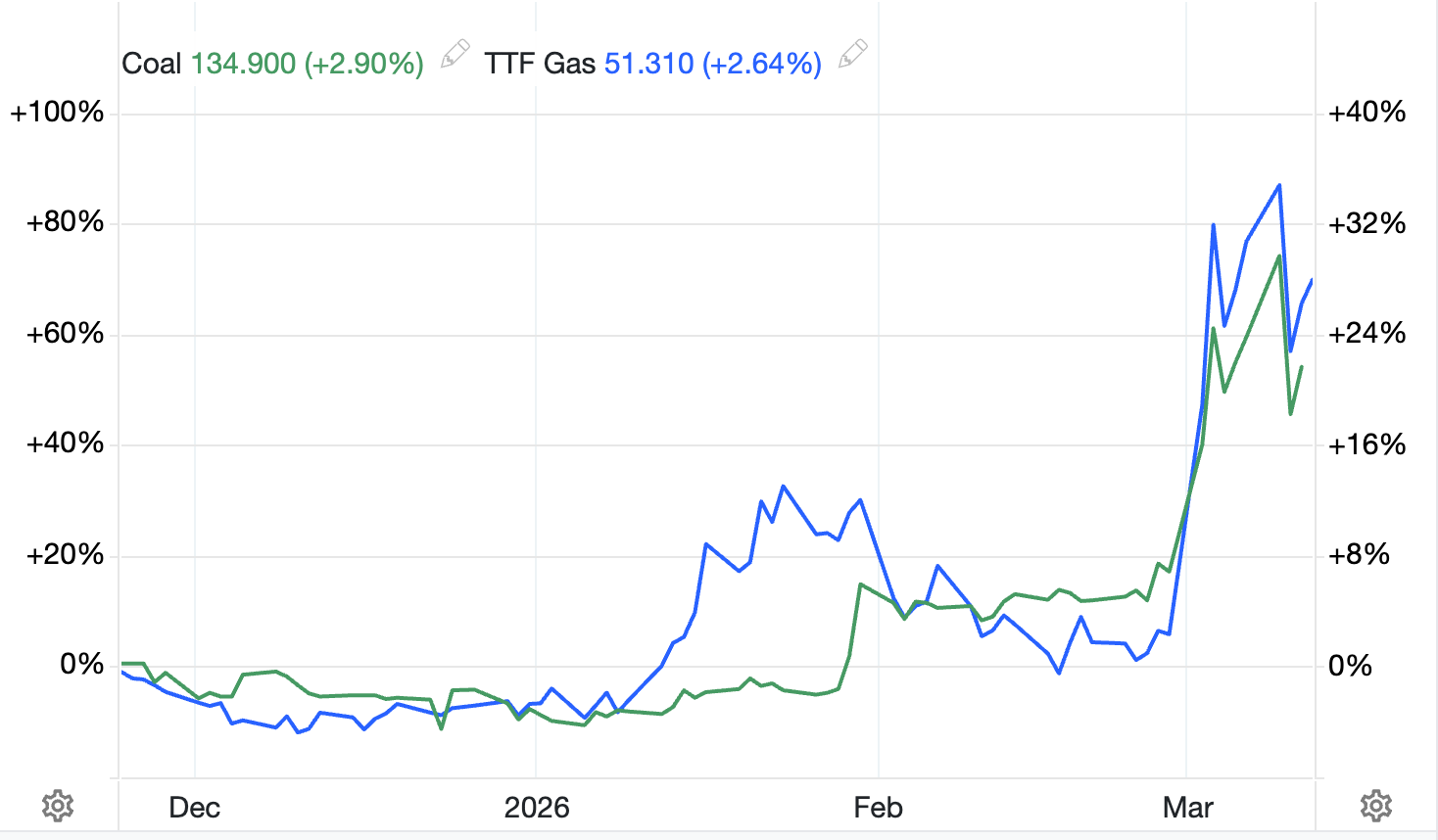
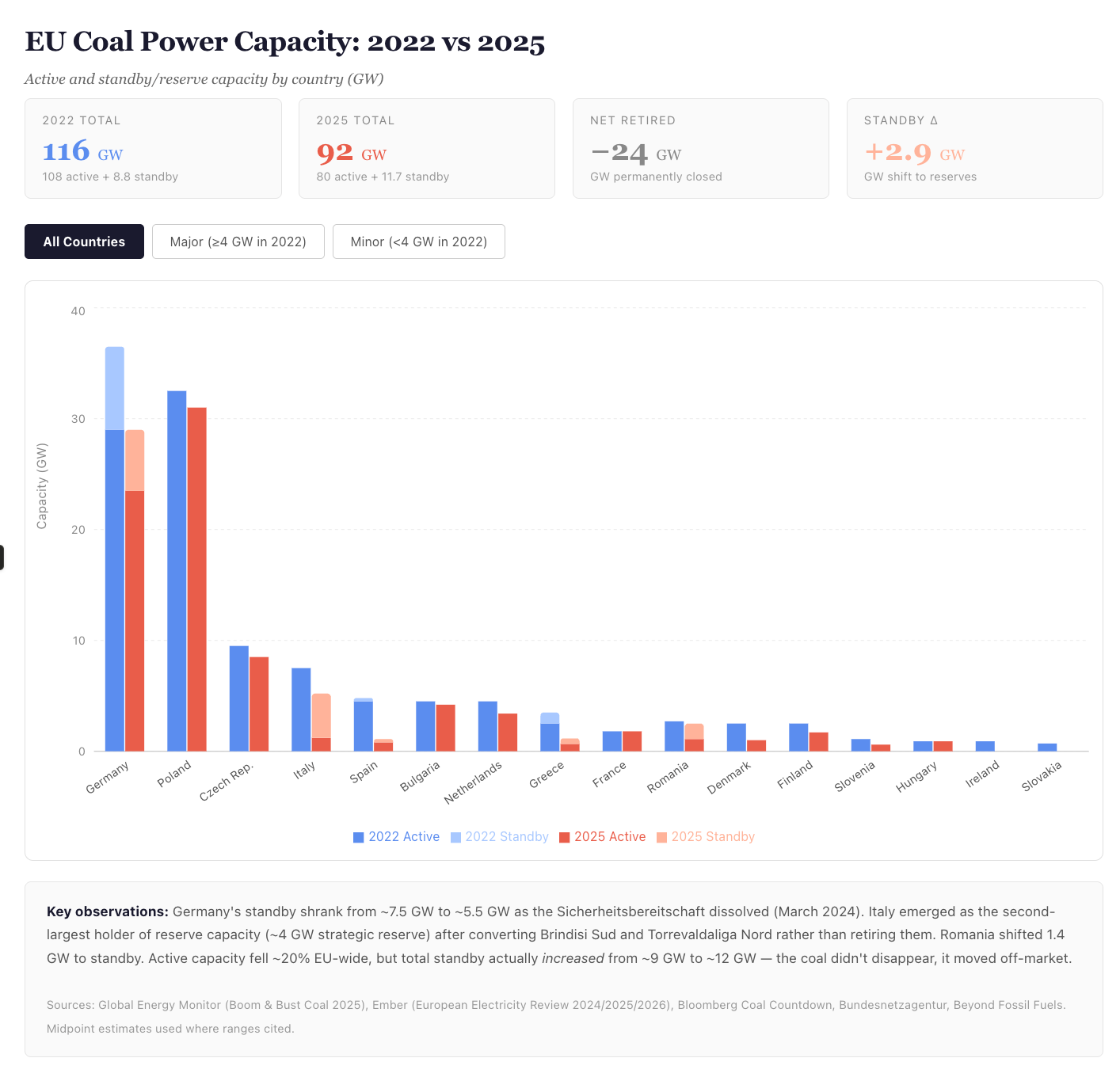
Yes, there is a 20% drop in EU coal capacity between 2022 and today, but there are 11.7GW of stand-by coal, mostly in Germany and Italy, that needs to restart before the rest of the EU coal fleet can max out utilisation to help compensate for lost LNG.